How to Find the Right BPD Support Group: A Guide to Community and Emotional Healing
Navigating life with intense emotional waves can feel incredibly isolating, leaving you misunderstood by those closest to you. However, you do not have to process these heavy feelings alone, as finding structured bpd support groups can act as a powerful catalyst for your personal healing and validation. This comprehensive resource directory explores how to identify safe community spaces, breaks down peer-led networks, and provides actionable boundary checklists. To quietly gather your thoughts and better understand your unique traits before speaking in a public circle, you can explore our free online bpd test platform as a non-judgmental starting point for deeper self-reflection.
What Is a BPD Support Group (and What It Is Not)?
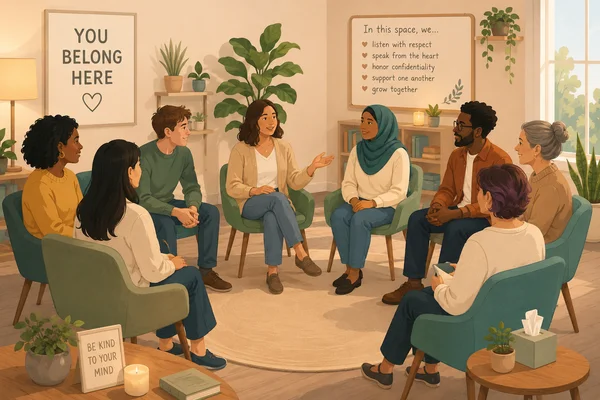
A community support network offers a safe, anonymous environment where individuals share lived experiences without facing public stigma. However, understanding the operational boundaries of these spaces is crucial before you attend your first virtual or in-person meeting.
Peer-Led vs. Clinically Guided Groups
Peer-led groups are facilitated by individuals who are successfully managing their own emotional health journeys. These rooms prioritize shared vulnerability, lived wisdom, and everyday coping strategies rather than medical instruction. In contrast, clinically guided groups are led by licensed mental health professionals, such as therapists or counselors. These professional sessions usually follow a strict clinical curriculum, like Dialectical Behavior Therapy (DBT), focusing on therapeutic milestones and structured behavior modification techniques.
Why Shared Lived Experience Accelerates Emotional Validation
When you share your struggles with people who experience identical emotional hypersensitivity, a deep sense of relief follows. Behaviors like an intense fear of abandonment, chronic emptiness, or rapid mood shifts are met with nods of understanding rather than confusion. This collective validation helps reduce the deep-seated shame that many individuals carry silently throughout their lives. However, you must remember that these groups are mutual aid networks, not medical diagnostic clinics or crisis emergency centers.
Finding Your Safe Space: Top Free Online BPD Support Groups
Virtual communities have made connection highly accessible, allowing you to participate anonymously from your home. Several reputable, national non-profit organizations offer structured, free online bpd support groups tailored to different comfort levels.
Emotions Matter: A Leader in Peer-Led Advocacy
Emotions Matter is a dedicated non-profit organization that offers highly structured, regular online bpd support groups. Their meetings focus on personal empowerment, reducing societal stigma, and offering clear peer-led connection blocks for individuals processing borderline traits. They provide a safe environment where participants can discuss specific behavioral triggers without feeling judged.
NAMI Connection: Local and National Mental Health Networks
The National Alliance on Mental Illness (NAMI) provides a highly effective program called NAMI Connection. This is a free, peer-led recovery support group designed for any adult living with a mental health challenge. Because NAMI operates numerous chapters nationwide, you can easily find local virtual meetings or participate in broader nationwide online bpd support groups.
National Education Alliance for BPD (NEA-BPD) Resources
The National Education Alliance for Borderline Personality Disorder (NEA-BPD) maintains an extensive directory of resources and educational publications. They regularly coordinate specialized virtual connection blocks, helping individuals access evidence-based peer support frameworks without facing financial barriers.
The "Informed Readiness" Checklist: Questions to Ask Yourself Before Joining
To help minimize initial social anxiety and choose the right forum, review this quick self-assessment checklist before your first meeting:
- Am I emotionally ready to listen to others discuss intense interpersonal struggles today?
- Do I prefer a casual, unstructured peer discussion, or a strictly timed clinical agenda?
- Am I seeking immediate crisis de-escalation, or long-term community connection?
- Would a completely anonymous text-based forum feel safer than a live video call?
Gaining Personal Clarity as You Explore Community Support
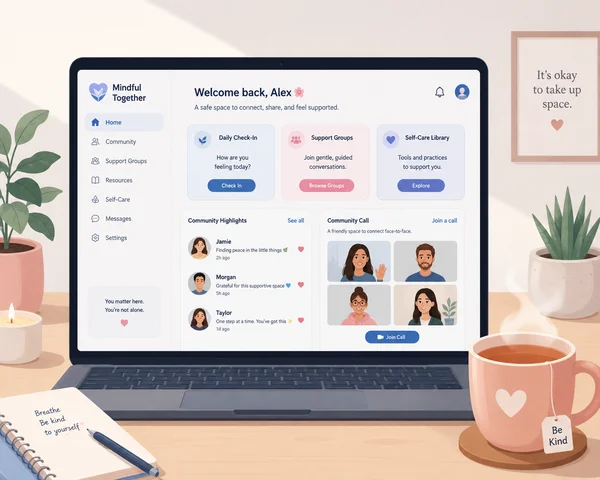
Walking into a new community circle can sometimes feel overwhelming if you are still trying to sort through your internal landscape. Therefore, taking a moment to quietly explore your personal emotional baseline can give you a clearer sense of direction. When you possess a structured way to observe your unique traits, it becomes much easier to articulate your needs to a support circle.
If you want to clarify your current emotional patterns in a completely private setting, you can utilize the supportive emotional bpd test tool hosted on our homepage. This educational screening questionnaire acts as a compassionate, non-judgmental mirror to help you organize your thoughts before sharing them with strangers. It does not issue a clinical diagnosis, but it does help you track your individual triggers, such as sudden relationship anxiety or intense anger responses. Armed with this personal insight, you can confidently choose a peer community that aligns perfectly with your current stage of growth.
Healing Together: BPD Support Groups for Families, Partners, and Parents
Borderline traits do not exist in isolation; they deeply impact the entire family dynamic. Because care partners frequently experience severe emotional exhaustion, specialized spaces are vital to help them restore healthy boundaries. To gain deeper insight into these relational challenges, you can explore our website's free BPD self-assessment database to find foundational educational resources for better communication.
Non-BPD Support Groups: Protecting the Carer's Mental Health
Loved ones often need a separate safe space where they can speak honestly without the fear of hurting the individual with BPD. Specialized non bpd support groups give family members permission to focus entirely on their own psychological well-being. These environments remind carers that they must maintain their own emotional reservoirs before they can effectively offer sustainable support to someone else.
Spouses and Partners: Navigating Relationship Dynamics
Romantic relationships can experience intense cycles of idealization and devaluation, leaving partners feeling deeply confused or exhausted. Dedicated bpd support groups for partners offer an invaluable space to discuss these unique marital and dating challenges. Members learn how to implement compassionate boundaries while stopping harmful, reactive enabling behaviors.
Parents of Adult Children: Coping with Chronic Emotional Crises
Parents often carry an immense weight of unearned guilt, constantly wondering if they somehow caused their child's emotional dysregulation. Specialized bpd parent support groups offer profound validation, allowing mothers and fathers to share practical advice regarding housing, financial boundaries, and long-term professional treatment planning.
The Caregiver's If-Then Communication Script
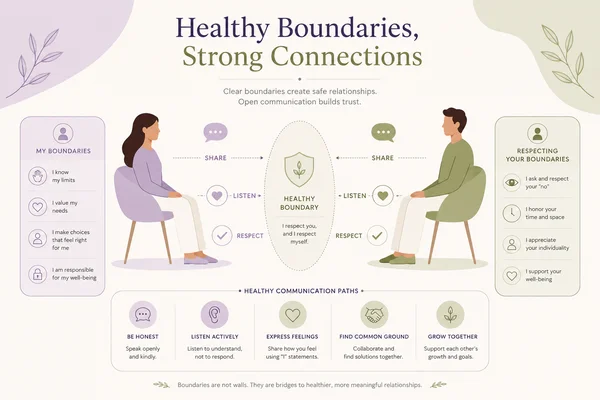
When emotional intensity rises at home, having an actionable communication plan helps protect both parties. Try utilizing this simple boundary-setting framework:
- If a loved one begins escalating into intense anger: Then say, "I love you and I want to hear your thoughts, but I need to step away for fifteen minutes to cool down before we continue talking."
- If you feel yourself absorbing overwhelming secondary anxiety: Then say, "I am going to attend my support group meeting tonight to refocus on my personal emotional balance."
Embracing Community on Your Journey to Emotional Stability
Joining a support network is a profound act of courage that requires patience with your personal healing timeline. Over time, listening to shared stories will show you that your deepest emotional struggles are understandable responses to intense sensitivity. While these spaces offer incredible daily stability, always remember that peer communities function best alongside professional psychiatric care. If you ever experience a severe emotional crisis or safety concerns, please contact your local emergency services or call the 988 lifeline immediately. As you take your next steps, protect your personal boundaries, celebrate small milestones, and trust that an empathetic community is ready to welcome you.
Frequently Asked Questions
What are the 3 C's of BPD for family members?
The 3 C's represent an essential boundary framework designed to relieve intense caregiver guilt and anxiety: "I didn't Cause it, I can't Control it, and I can't Cure it." Embracing this philosophy allows loved ones to stop trying to force behavioral fixes and focus on offering sustainable validation.
Can a support group replace traditional DBT therapy?
No, a mutual aid support group cannot replace structured clinical interventions like Dialectical Behavior Therapy (DBT). While peer groups provide excellent emotional validation and everyday coping tips, DBT explicitly teaches clinical skills for distress tolerance and emotion regulation under professional supervision.
Where can parents find support groups for adult children with BPD?
Parents can find specialized pathways through the National Education Alliance for BPD (NEA-BPD), which hosts the internationally recognized Family Connections program. Additionally, local NAMI chapters offer family support groups specifically designed for parents navigating the complexities of adult mental health challenges.
Can individuals with BPD build highly successful and fulfilling lives?
Yes, individuals experiencing BPD traits can build deeply successful, stable, and incredibly rich lives. With consistent emotional regulation tools, a reliable peer support community, and professional clinical guidance, symptom intensity decreases over time, allowing personal talents and relationships to flourish.