From Self-Assessment to Professional Help: Your BPD Recovery Roadmap
You've taken a brave and important step. By completing a Borderline Personality Disorder (BPD) self-assessment, you've started a journey of self-exploration. But now, you might be asking yourself, what do these results mean and what comes next? It's completely normal to feel uncertain or overwhelmed at this stage.
This guide is designed to be your roadmap. We'll help you understand your screening results, prepare for a professional evaluation, and navigate the path toward managing BPD with the right support. Taking an initial screening, like the free BPD test we offer, is the first step toward clarity and a more fulfilling life.
Understanding Your BPD Test Results
Receiving a result from an online screening tool can bring up a lot of emotions. Whether the result was expected or surprising, it's crucial to place it in the proper context. This is not a final answer but a starting point for deeper understanding.
What "BPD Likely" vs. "BPD Unlikely" Results Really Mean
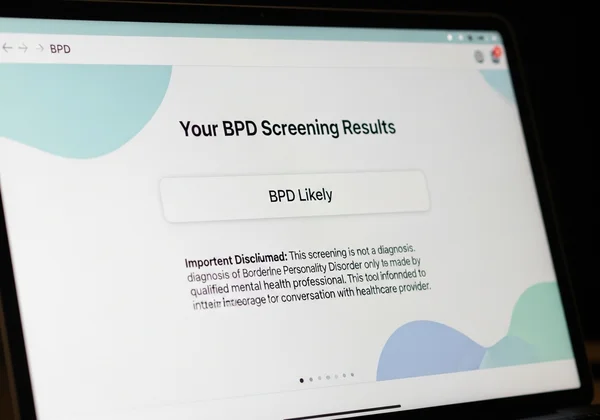
A result of "BPD Likely" suggests that your responses align with several key patterns associated with Borderline Personality Disorder. This may include emotional instability, difficulties in relationships, or struggles with self-image. It is a strong signal that speaking with a mental health professional would be a beneficial next step.
Conversely, a "BPD Unlikely" result means your answers did not strongly align with the common symptoms of BPD. However, if you are still struggling with your emotional health, your feelings are valid. These challenges deserve attention, even if they don't fit the specific pattern of BPD. To better understand these patterns, you can learn more about BPD symptoms.
Limitations of Online Screening Tools
It is essential to recognize that online tools are screeners, not diagnostic instruments. They are designed to identify potential risk and encourage further exploration. A formal diagnosis can only be made by a qualified mental health professional, such as a psychologist, psychiatrist, or licensed therapist.
These tools cannot understand your personal history, the context of your struggles, or rule out other conditions that may have similar symptoms. They are a valuable guide, but they are not the final word. Think of it as a helpful signpost on your wellness journey, pointing you in the right direction.
When to Take Your Results Seriously
You should take your results seriously if they resonate with your lived experience. If a "BPD Likely" result validates feelings you've had for a long time, it's a clear sign to seek a professional opinion. You should also consider seeking help if:
- Your symptoms are causing significant distress in your daily life.
- Your relationships with family, friends, or partners are suffering.
- You are having difficulty maintaining work or school commitments.
- You engage in impulsive behaviors that you later regret.
If you recognize these patterns, it's time to take the next step. Using a preliminary screening can give you the confidence to start that conversation.
Preparing for Your Professional Evaluation
Moving from a self-assessment to a professional evaluation can feel intimidating, but preparation can make the process smoother and more productive. Taking the time to organize your thoughts and history will help your provider understand your situation more clearly.
Questions to Ask Potential BPD Specialists
Finding the right therapist is a critical part of the process. Not all mental health providers specialize in personality disorders. When you contact a potential specialist, consider asking these questions:
- Do you have experience treating clients with BPD?
- What is your therapeutic approach to BPD (e.g., DBT, MBT, SFT)?
- What does your diagnostic process look like?
- How do you involve clients in creating their treatment plan?
Feeling comfortable and confident in your chosen provider is key to successful treatment.
Gathering Your Medical and Mental Health History
Your doctor will need a comprehensive view of your health. Before your first appointment, try to gather some key information. Make notes about:
- Any past mental health diagnoses or treatments.
- Significant life events, traumas, or stressors.
- Family history of mental health conditions.
- Any current medications or substances you use.
Having this information ready will make your first session more efficient and effective.
Tracking Your Symptoms Between Now and Your Appointment
Your day-to-day experiences provide the most valuable information. Before your appointment, try keeping a simple journal. Note your mood swings, their intensity, what triggered them, and how you coped. This log can offer concrete examples to share with your therapist, moving beyond general statements like "I'm always emotional." This detailed information is crucial for an accurate professional BPD diagnosis.

Finding and Connecting with BPD Specialists
Knowing you need help is the first step; finding it is the next. This section provides practical guidance on where to look for qualified professionals and what to expect from the process, making it feel less overwhelming.
Where to Find Qualified BPD Treatment Providers
Finding a specialist can seem daunting, but there are many resources available. You can start by:
- Asking your primary care physician for a referral.
- Contacting your insurance company for a list of in-network providers.
- Using online directories from organizations like the National Alliance on Mental Illness (NAMI) or Psychology Today.
- Searching for clinics that specialize in Dialectical Behavior Therapy (DBT), the gold-standard treatment for BPD.
What to Expect During Your First Professional Evaluation
Your first appointment is primarily a conversation. The provider will ask many questions about your symptoms, your history, and your goals. They will listen with empathy and without judgment. This session is as much for you to evaluate them as it is for them to evaluate you.
An official diagnosis is rarely made in a single session. It typically involves a series of interviews and sometimes standardized questionnaires to build a complete picture. Be open and honest—this is a safe space to share your struggles.
Navigating Insurance and Payment Options for BPD Treatment
The cost of treatment can be a major concern. Start by understanding what your health insurance plan covers for mental health services. Call the number on the back of your card and ask about coverage for therapy, specialist visits, and different types of treatment.
If you don't have insurance or your coverage is limited, look for community mental health centers, university training clinics, or providers who offer a sliding scale fee based on income. Don't let financial worries stop you from seeking the help you deserve.
Building Your BPD Recovery Toolkit
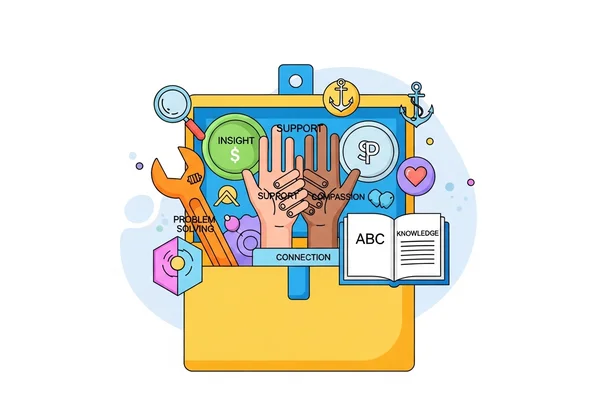
A diagnosis is not an endpoint; it is the beginning of a hopeful journey toward recovery. BPD is treatable, and many people learn to manage their symptoms and build lives they value. This involves creating a personalized "toolkit" of strategies and supports.
Evidence-Based Treatments for BPD
Research has shown that several therapeutic approaches are highly effective for BPD. The most well-known is Dialectical Behavior Therapy (DBT), which teaches skills in four key areas: mindfulness, distress tolerance, emotion regulation, and interpersonal effectiveness. Other proven treatments include Mentalization-Based Treatment (MBT) and Schema-Focused Therapy (SFT). An informed therapist will help determine the best approach for you from the available BPD treatment options.
Creating Your Personalized Treatment Plan
Recovery is not one-size-fits-all. You will work collaboratively with your therapist to create a treatment plan tailored to your specific symptoms, strengths, and goals. This plan will likely include regular therapy sessions, skills practice, and strategies for managing crises. Your active participation is essential for success.
When and How to Involve Loved Ones in Your Treatment
Your support system can play a powerful role in your recovery. However, it's up to you when and how to involve them. Some therapy approaches, like DBT, offer family or skills groups to help loved ones understand BPD and learn how to offer effective support. Open communication, facilitated by your therapist, can help mend relationships and build a stronger foundation for the future.
Your Journey to BPD Wellness Begins Now
Your BPD self-assessment was just the beginning. By understanding your results, preparing for a professional evaluation, and connecting with qualified specialists, you are taking powerful steps toward managing your symptoms and building a more stable, meaningful life. The path may have challenges, but you have already shown immense courage.
Remember, recovery from BPD is not only possible—it is expected with the right treatment and support. You do not have to navigate this path alone. Your journey toward emotional wellness begins with that first step of understanding. If you're ready to take it, a clear, confidential screening is waiting. Start your test today and move toward a brighter future.
Frequently Asked Questions About BPD Diagnosis and Treatment
How is BPD officially diagnosed by a mental health professional?
A professional diagnosis is made through a comprehensive clinical interview. A psychiatrist or psychologist will discuss your long-term patterns of thinking, feeling, and behaving. They will compare your symptoms to the nine diagnostic criteria outlined in the Diagnostic and Statistical Manual of Mental Disorders (DSM-5). They will also rule out other conditions.
Can BPD be treated successfully with professional help?
Absolutely. BPD was once considered untreatable, but that view is now outdated. With evidence-based therapies like DBT, the majority of individuals can significantly reduce their symptoms, improve their relationships, and lead fulfilling lives. Recovery is the expectation, not the exception.
What's the difference between a BPD screening and a formal diagnosis?
A screening, like the online BPD test, is a brief tool that identifies potential symptoms to see if a full evaluation is warranted. A formal diagnosis is a thorough clinical assessment made by a licensed mental health professional that confirms the condition and informs a treatment plan. A screening is a first step; a diagnosis is a comprehensive conclusion.
How long does BPD treatment typically take to show results?
While every journey is unique, many people begin to see positive changes within a few months of starting a structured treatment program like DBT. A standard comprehensive DBT program often lasts about a year, but skills learned during that time can provide benefits for a lifetime.
What should I do if I can't afford professional BPD treatment?
If cost is a barrier, there are still options. Look for community mental health clinics, university psychology departments that offer low-cost services, or online support groups. Some therapists also offer a "sliding scale" fee. Don't give up—resources are available to help you start your recovery journey.
If you are in crisis or feel you might be a danger to yourself or others, please call 911 or go to your nearest emergency room. You can also reach the National Suicide Prevention Lifeline by calling or texting 988 in the U.S. and Canada.