Cluster B Personality Disorders Explained: Types, Traits, and Help
Why does everything feel like life or death? One minute I'm on top of the world, and the next I feel completely worthless. It feels like everyone else got a manual for handling emotions that I never received.
If thoughts like these frequently race through your mind, you are not alone, and you are not broken. You might be feeling overwhelmed by the intensity of your emotions, misunderstood by those closest to you, or isolated in your struggles. Navigating life with intense emotional patterns can be exhausting, but understanding the root cause is a powerful first step toward relief.
This guide explores cluster b personality disorders—a category defined by dramatic, overly emotional, or unpredictable thinking or behavior. Here, we will break down the four specific types, explain the symptoms that link them, and help you find a path toward clarity and understanding your personality profile.
What Defines the Cluster B Group?
When psychologists categorize personality disorders, they group them into "clusters" based on shared characteristics. Cluster B personality disorders are specifically defined by the "Dramatic, Emotional, and Erratic" framework.
People identifying with this cluster often struggle with impulse control and emotional regulation. While everyone experiences mood swings or relationship drama occasionally, for those with a Cluster B profile, these patterns are persistent, intense, and often disrupt daily life.
The Dramatic, Emotional, Erratic Framework
The defining feature of cluster b personality disorders is the difficulty in regulating emotions and maintaining stable relationships. This doesn't mean you are "being dramatic" on purpose. It means your internal emotional landscape is naturally more intense. You might experience feelings as raw and immediate, leading to behaviors that others perceive as unpredictable.
The Diagnostic and Statistical Manual of Mental Disorders (DSM-5) groups these disorders together because they all involve:
- Distorted thinking about oneself and others.
- Problems with emotional responses (too intense or lacking).
- Issues with impulse control.
- Interpersonal difficulties.
Cluster B vs. Cluster A and C
To understand this group, it helps to see what it is not. The DSM-5 organizes personality disorders into three distinct clusters:
- Cluster A (Odd or Eccentric): Includes Paranoid, Schizoid, and Schizotypal disorders. These are characterized by social awkwardness, distrust, and emotional detachment rather than high emotional intensity.
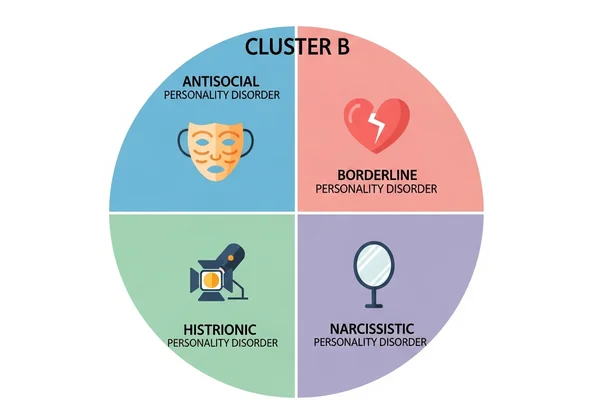
- Cluster B (Dramatic): Includes Antisocial, Borderline, Histrionic, and Narcissistic disorders. This is the only cluster defined by emotional volatility and conflict-prone relationships.
- Cluster C (Anxious): Includes Avoidant, Dependent, and Obsessive-Compulsive personality disorders. These are driven primarily by fear and anxiety, leading to withdrawal or rigid control rather than erratic behavior.
The 4 Types of Cluster B Disorders
There are 4 types of cluster b personality disorders, each with its own distinct flavor or primary driver. While they share the core "dramatic/erratic" traits, the way they manifest in daily life is quite different.
Antisocial Personality Disorder (ASPD)
Often misunderstood due to media portrayals, Antisocial Personality Disorder is characterized by a long-term pattern of disregarding or violating the rights of others. This isn't just about being "unsocial" or introverted.
Key traits include:
- A lack of conformity to social norms and laws.
- Deceitfulness, such as lying or conning others.
- Impulsivity and failure to plan ahead.
- Lack of remorse after hurting or mistreating others.
Individuals with ASPD may struggle to feel empathy or guilt, making it difficult for them to maintain genuine, reciprocal relationships.
Borderline Personality Disorder (BPD)
Borderline Personality Disorder is perhaps the most emotionally painful of the group for the sufferer. The core driver here is a profound fear of abandonment and an unstable sense of self.
If you have BPD traits, you might view things in extremes—someone is either an angel or a villain, a process called "splitting."
Common signs include:
- Intense, unstable relationships that swing from love to hate.
- Frantic efforts to avoid real or imagined abandonment.
- Chronic feelings of emptiness.
- Self-damaging impulsivity, such as spending, substance use, or reckless driving.
Histrionic Personality Disorder (HPD)
Histrionic Personality Disorder involves a pervasive pattern of excessive emotionality and attention-seeking. People with HPD often feel uncomfortable when they are not the center of attention.
Key behaviors often include:
- Using physical appearance to draw attention to oneself.
- Rapidly shifting and shallow expressions of emotion.
- Speaking in an excessively impressionistic style but lacking detail.
- Perceiving relationships to be more intimate than they actually are.
Narcissistic Personality Disorder (NPD)
While BPD is driven by a need for connection (fear of abandonment), Narcissistic Personality Disorder is driven by a need for validation and superiority.
People with NPD typically display:
- A grandiose sense of self-importance.
- Fantasies of unlimited success, power, or beauty.
- A belief that they are "special" and can only be understood by other high-status people.
- A lack of empathy for the feelings and needs of others.
Key Differences: Clarifying Common Confusions
It is very common to confuse the 4 types of cluster b personality disorders, especially since they can look similar on the surface. A frequent point of confusion lies between those who seek attention (HPD) and those who seek admiration (NPD).
NPD vs. HPD: Admiration vs. Attention
To help you distinguish between these two often-confused types, consider the underlying motivation behind the behavior.
| Feature | Histrionic Personality Disorder (HPD) | Narcissistic Personality Disorder (NPD) |
|---|---|---|
| Primary Drive | To be noticed and receive attention. | To be admired and recognized as superior. |
| Self-Esteem | Fragile; depends on constant reassurance. | Inflated but brittle; depends on external status. |
| Empathy | May display shallow empathy or "perform" emotions. | Often lacks empathy; dismissive of others' feelings. |
| Presentation | Warm, lively, dramatic, seductive. | Cold, aloof, superior, entitled. |
Comorbidity: Can You Have More Than One Disorder?
Yes, comorbidity is quite common within cluster b personality disorders. Because these disorders share genetic and environmental risk factors, it is possible for an individual to meet the criteria for more than one type.
For example, someone might have Narcissistic traits mixed with Antisocial behaviors (often called "malignant narcissism"), or Borderline traits co-occurring with Histrionic patterns. This is why professional evaluation is crucial—human personality rarely fits perfectly into a single box.
Common Traits and Behavioral Patterns
Regardless of the specific label, most cluster b personality disorders share a set of core symptoms that can disrupt your life. Recognizing these shared patterns can validate your experience, even if you don't have a formal diagnosis.
Emotional Instability and Impulsivity
The hallmark of this cluster is difficulty regulating emotions. You might find that small triggers—a delayed text message, a critical comment, a change in plans—lead to explosive anger or deep despair.
To manage this pain, impulsivity often becomes a coping mechanism. This might look like:
- Sudden binge eating or substance use.
- Impulsive spending sprees.
- Risky sexual behaviors.
- Ending relationships or jobs abruptly.
Impact on Romantic Relationships and Empathy
Cluster B disorders often take the heaviest toll on romantic partnerships. The intense fear of rejection (BPD) or the need for dominance (NPD) creates a "push-pull" dynamic.
- The Cycle: Relationships often start with intense passion ("idealization") but quickly deteriorate when reality sets in ("devaluation").
- Empathy Gaps: While those with BPD may be too empathetic (feeling others' pain as their own), those with NPD or ASPD may struggle to recognize that their partner has needs at all. This variance in empathy is a key differentiator across the cluster.
Why Do Cluster B Disorders Develop?
One of the most common questions is, "Did I cause this?" The answer is no. These disorders develop through a complex interaction of factors largely out of your control.
Genetic and Biological Factors
Research suggests a strong genetic component to personality disorders. If you have a close family member with a Cluster B disorder or other mental health conditions like bipolar disorder or depression, your risk is higher.
Biologically, studies show that people with these disorders often have differences in brain structure, specifically in areas responsible for impulse control (the prefrontal cortex) and emotion regulation (the amygdala). Your brain may simply be wired to feel things more intensely.
The Role of Childhood Trauma and Environment
While biology loads the gun, environment often pulls the trigger. Many individuals with Cluster B traits experienced significant instability during childhood.
Common environmental risk factors include:
- Invalidating Environments: Growing up where your emotional needs were ignored or punished.
- Trauma or Abuse: Physical, sexual, or emotional abuse is a high predictor, particularly for BPD.
- Chaotic Caregiving: Separation from parents, neglect, or inconsistent discipline.
Diagnosis & Screening: How to Check Your Symptoms
If the descriptions above resonate with you, you may feel a mix of fear and relief. Knowing there is a name for your experience is validating, but you might be wondering how to confirm it.
Clinical Diagnosis vs. Online Screening
It is important to understand the difference between a medical diagnosis and a screening tool.
- Clinical Diagnosis: This can only be provided by a licensed mental health professional (psychiatrist or psychologist) after a comprehensive evaluation.
- Online Screening: This is an educational tool designed to help you identify risk factors. It is a starting point for self-reflection, not a final answer.
Identifying BPD Traits (Self-Check)
Borderline Personality Disorder is one of the most common and treatable types within the group. Since emotional instability is a core feature of the entire cluster, checking for BPD traits is often a helpful first step in understanding your profile.
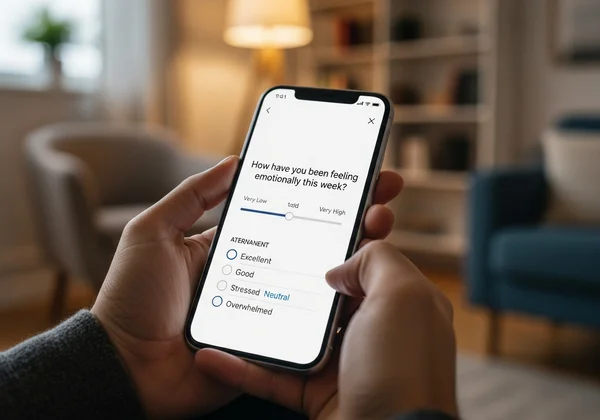
Ask yourself these questions:
- Do I often feel empty inside, like something is missing?
- Do my relationships feel like a rollercoaster of "I love you" and "I hate you"?
- Do I have a terrifying fear that people I care about will leave me?
- Do I act impulsively when I am upset?
If you answered "yes" to several of these questions, you may benefit from a more structured assessment.
Take the Next Step Understanding your emotional patterns is the key to managing them. If you suspect you may have traits of Borderline Personality Disorder, you can take a preliminary BPD screening right now. This free, scientifically informed tool will help you clarify your symptoms and provide a personalized analysis to guide your journey.
Note: This tool is for educational purposes only and does not constitute a medical diagnosis.
Treatment Options: Is Recovery Possible?
There is a stubborn myth that cluster b personality disorders are untreatable. This is false. With the right support, many people see a significant reduction in symptoms and go on to lead stable, fulfilling lives.

Psychotherapy: The Role of DBT and CBT
Psychotherapy, or talk therapy, is the gold standard for treatment.
- Dialectical Behavior Therapy (DBT): Originally developed for BPD, DBT is highly effective for the entire Cluster B spectrum. It teaches core skills like mindfulness, distress tolerance, emotion regulation, and interpersonal effectiveness.
- Cognitive Behavioral Therapy (CBT): Helps you identify and change the negative thought patterns ("I am unlovable") that drive erratic behavior.
- Schema Therapy: Focuses on uncovering and healing deep-seated emotional needs unmet in childhood.
Medication and Symptom Management
There is no single pill that "cures" personality disorders. However, medication can be very helpful in managing specific symptoms that accompany them, such as:
- Antidepressants for depression or anxiety.
- Mood stabilizers to smooth out emotional highs and lows.
- Antipsychotics for severe cognitive distortions or impulsivity.
Always consult a psychiatrist to discuss the risks and benefits of medication for your specific situation.
Ways to Cope for Yourself and Loved Ones
Living with—or loving someone with—a cluster b personality disorder requires a toolkit of coping strategies.
Strategies for Managing Intense Emotions
If you are the one struggling, try these immediate grounding techniques when you feel an emotional wave hitting:
- The "STOP" Skill: Stop, Take a step back, Observe what you are feeling, Proceed mindfully.
- Sensory Grounding: Hold an ice cube or splash cold water on your face. This activates the "dive response" and physically slows your heart rate.
- Fact-Checking: Ask yourself, "Is this feeling based on facts or my fears?"
Setting Healthy Boundaries for Friends and Family
If you love someone with Cluster B traits, you may feel drained. Protecting your own mental health is vital.
- Be Clear and Consistent: "I love you, but I will not continue this conversation if you yell at me."
- Don't "Fix" It: You cannot save them from their emotions. Validate their feelings ("I see you are hurting") without taking responsibility for their reactions.
- Seek Your Own Support: Therapy or support groups for family members are incredibly beneficial.
Moving from Confusion to Clarity
Understanding cluster b personality disorders is not about labeling yourself or others—it is about making sense of the chaos. Whether you are navigating these traits yourself or supporting a loved one, knowledge reduces fear and opens the door to compassion.
If you are ready to explore your emotional patterns further, start your self-discovery journey today with our specialized screening tools. Healing begins with a single step of understanding.
Frequently Asked Questions
What is the prevalence of Cluster B disorders?
Estimates vary, but studies suggest that cluster b personality disorders affect approximately 1.5% to 5.5% of the general population. BPD and ASPD are among the most frequently diagnosed types within clinical settings.
Does Cluster B improve with age?
Yes, particularly for Borderline and Antisocial disorders. Research shows that impulsive and aggressive symptoms often decrease as people enter their 30s and 40s. However, difficulties with relationships and emptiness may persist without targeted therapy.
What warning signs indicate a need for professional evaluation?
You should consider seeking help if your emotions cause you significant distress, if your relationships repeatedly fail in the same ways, or if you engage in self-harm or risky behaviors to cope with feelings.
Are Cluster B disorders genetic?
Genetics play a significant role. Heritability estimates for disorders like BPD and ASPD range from 40% to 60%, meaning genes create a vulnerability that environmental stress can activate.
How can I tell the difference between BPD and Bipolar Disorder?
This is a common confusion. Bipolar Disorder is a mood disorder where mood swings last for days or weeks (episodes) and are independent of external events. Cluster B mood shifts can happen in minutes or hours and are usually triggered by relationship conflicts.