Can BPD Be Cured? Take a Free BPD Test to Explore Recovery Paths & Rates
For many who live with the intense emotions of Borderline Personality Disorder (BPD), or for those who suspect they might have it, a single, heavy question often looms: Is this a lifelong sentence? The fear that the emotional storms, unstable relationships, and feelings of emptiness will never end can feel overwhelming. This article is here to offer a clear and hopeful answer.
The narrative around BPD is changing. What was once seen as an untreatable condition is now understood as a disorder with clear paths to recovery. We will explore what "recovery" truly means, look at evidence-based treatments that create lasting change, and discuss the real possibility of building a stable, fulfilling life. If you're just beginning to explore these feelings, a great first step is understanding your symptoms. You can begin that journey with our confidential BPD test.

Understanding BPD Recovery: What Does "Cured" Mean?
When we talk about physical illness, the word "cured" often means the disease is completely gone. With mental health conditions like BPD, the concept is more nuanced. Instead of "cured," experts often use the term "remission." This doesn't mean pretending the challenges never existed; it means reaching a point where you no longer meet the diagnostic criteria for the disorder and can function effectively in your daily life.
Recovery means managing your emotions better. It builds stable relationships. And it helps you develop a strong sense of self. It's a journey of acquiring new skills and healing from past wounds, leading to a life that feels balanced and meaningful.
Is Full Remission Achievable for Borderline Personality Disorder?
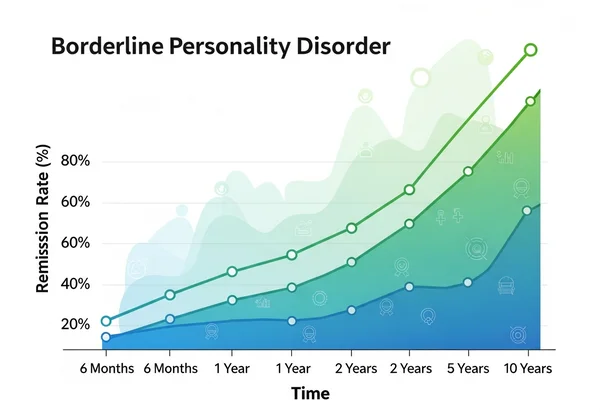
Yes, absolutely. This is the most hopeful message from modern research. Long-term studies have shown surprisingly high BPD recovery rates. For example, research from institutions like McLean Hospital has found that after about 10 years, a significant majority of individuals diagnosed with BPD no longer meet the criteria for the disorder.
Full remission quiets the core symptoms. Think frantic fears of abandonment, intense mood swings, and chronic emptiness. They become manageable. It means you can navigate life's challenges without being derailed by emotional dysregulation. This isn't a rare outcome; with the right treatment and support, it is a realistic and attainable goal for many.
Key Factors Influencing BPD Recovery Outcomes and Success Rates
Every recovery journey is unique, but several key factors are known to influence positive outcomes and improve BPD remission success. Understanding these can empower you on your path.
- Early and Accurate Diagnosis: The sooner you understand what you're dealing with, the sooner you can start effective treatment.
- Commitment to Therapy: Recovery requires active participation. Attending sessions and practicing skills between appointments is crucial.
- The Right Type of Therapy: Not all therapies are equally effective for BPD. Finding a therapist trained in evidence-based treatments like DBT is vital.
- A Strong Support System: Having understanding family, friends, or partners can make a world of difference.
- Addressing Co-occurring Conditions: BPD often co-exists with other conditions like depression, anxiety, or substance use disorders. Treating these simultaneously is essential for overall well-being.
Evidence-Based Treatment Paths for Lasting Change
Science gives us real reason to hope—decades of studies back these paths forward. Researchers have identified highly effective therapeutic approaches that specifically target the core difficulties of BPD. These treatments provide the tools and strategies needed to manage symptoms and build a life worth living.
The Cornerstone: Dialectical Behavior Therapy (DBT) and Its Efficacy
If there is one gold-standard treatment for BPD, it is Dialectical Behavior Therapy (DBT). Developed by Dr. Marsha Linehan, DBT was designed specifically to treat the chronic emotional dysregulation and self-destructive behaviors associated with BPD.
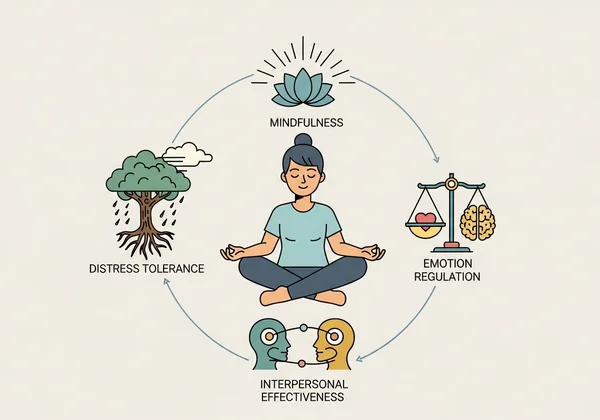
DBT teaches four key skills.
- First, mindfulness: Stay present without judgment.
- Second, distress tolerance: Cope with pain and crises without making them worse.
- Third, emotion regulation: Understand and manage intense emotions in a healthier way.
- Fourth, interpersonal effectiveness: Learn how to communicate your needs, set boundaries, and build positive relationships.
The effectiveness of DBT is supported by numerous studies, showing it significantly reduces self-harm, hospitalizations, and treatment dropout rates while improving overall quality of life.
Other Effective Therapies: Schema Therapy, MBT, and CBT Adaptations
While DBT is the most well-known, it's not the only option. Other therapies have also proven effective in helping individuals achieve BPD remission.
- Schema Therapy: This therapy focuses on identifying and changing long-standing negative patterns of thinking, feeling, and behaving (called "schemas") that often begin in childhood.
- Mentalization-Based Treatment (MBT): MBT helps individuals better understand their own and others' mental states—thoughts, feelings, and intentions. This improves self-awareness and relationship stability.
- Cognitive Behavioral Therapy (CBT) Adaptations: While standard CBT can be less effective for BPD, specialized adaptations can help address the distorted thinking patterns that contribute to emotional pain.
The Role of Medication in BPD Symptom Management
A common question is whether medication can "cure" BPD. Currently, there is no single medication specifically approved to treat BPD as a whole. However, medication can play an important supportive role in BPD long-term management.
A psychiatrist may prescribe medications to target specific symptoms or co-occurring conditions. This can include:
- Mood stabilizers to help reduce impulsivity and mood swings.
- Antidepressants to treat co-occurring depression.
- Antipsychotics (often in low doses) to help with disorganized thinking or anger.
Medication works best alongside therapy. Therapy builds the life skills you need for lasting change.
Long-Term Management & Building a Life Worth Living
Recovery from BPD is not a one-time event but an ongoing process of growth and self-care. After intensive therapy, the focus shifts to BPD long-term management and integrating healthy habits into your daily life. This is where you truly start to build a life that feels authentic and fulfilling.
If you are just beginning to wonder about your own emotional patterns, our free online test can be a helpful, private starting point for self-reflection.

Cultivating Sustainable Coping Skills and Emotional Regulation
The skills learned in therapy, especially DBT, are not just for crises. They become your everyday toolkit for navigating life. This means practicing mindfulness when you feel stressed, using distress tolerance skills to get through a tough moment, and applying emotion regulation techniques to prevent small upsets from turning into emotional storms. Over time, these skills become second nature, creating a new, more stable baseline for your emotional life.
Building Healthy Relationships and Strong Support Systems
Relationships are often at the heart of the struggle for those with BPD. A key part of long-term recovery is learning to build and maintain healthy connections. This involves:
- Effective Communication: Clearly expressing your needs and feelings without blame or accusation.
- Setting Boundaries: Understanding your limits and respectfully communicating them to others.
- Choosing Supportive People: Surrounding yourself with individuals who are validating, reliable, and respectful of your recovery journey.
The Journey to Self-Acceptance and Reduced Stigma
Finally, lasting recovery involves changing your relationship with yourself. This means letting go of the shame and self-criticism that so often accompany a BPD diagnosis. It's about learning to treat yourself with the same compassion and understanding you would offer a friend. Self-acceptance is not about being perfect; it's about acknowledging your past struggles while embracing your inherent worth and your capacity for growth.
Your Path to Hope: Recovery from Borderline Personality Disorder
So, can BPD be cured? The answer is a strong yes—recovery happens for so many. While the word "cured" might not be the perfect fit, achieving full remission and building a stable, meaningful life is a reality for countless people.
Recovery is a journey of learning new skills, healing old wounds, and discovering your own strength. It requires commitment, but with effective, evidence-based treatments like DBT and a strong support system, you can move beyond survival and into a life where you thrive.
If you are reading this because you see yourself or a loved one in the symptoms of BPD, know that this is your first step on a path toward hope. To gain more clarity, you can start your test now. It’s free, confidential, and designed to help you understand your emotional patterns.
Disclaimer: This article is for informational purposes only and does not constitute medical advice. The content is not intended to be a substitute for professional diagnosis or treatment. Our free BPD test is a screening tool, not a diagnostic instrument. Always seek the advice of a qualified mental health professional with any questions you may have regarding a medical condition. If you are in a crisis, please contact a crisis hotline or go to the nearest emergency room.
The Takeaway
Can BPD truly be cured, or is it always a lifelong struggle?
BPD is not a lifelong sentence. Research shows that a high percentage of individuals achieve "remission," meaning they no longer meet the diagnostic criteria. Through effective therapy like DBT, people learn skills to manage their emotions and build stable lives, significantly reducing the daily struggle.
What are the typical success rates for BPD treatment and remission?
The success rates are very encouraging. Long-term studies indicate that as many as 85% of individuals with BPD may achieve remission within 10 years of their diagnosis. With consistent, evidence-based treatment, many people see significant improvement in their symptoms and quality of life much sooner.
How can I get officially tested for Borderline Personality Disorder?
Getting an official diagnosis requires a comprehensive evaluation by a qualified mental health professional, such as a psychiatrist or a clinical psychologist. The process usually involves a detailed interview about your symptoms, personal history, and experiences. While an online screening tool can be a helpful first step to identify potential symptoms, you can take our test to gather insights before speaking with a professional.
What are the 9 symptoms used to diagnose BPD?
A diagnosis of BPD is made by a clinician when a person exhibits at least five of the following nine symptoms, as outlined in the DSM-5:
- Frantic efforts to avoid real or imagined abandonment.
- A pattern of unstable and intense interpersonal relationships.
- Identity disturbance: a markedly and persistently unstable self-image or sense of self.
- Impulsivity in at least two areas that are potentially self-damaging (e.g., spending, sex, substance abuse, reckless driving, binge eating).
- Recurrent suicidal behavior, gestures, threats, or self-mutilating behavior.
- Affective instability due to a marked reactivity of mood (e.g., intense episodic dysphoria, irritability, or anxiety usually lasting a few hours).
- Chronic feelings of emptiness.
- Inappropriate, intense anger or difficulty controlling anger.
- Transient, stress-related paranoid ideation or severe dissociative symptoms.