BPD Test at Work: Practical Strategies for Maintaining Emotional Balance
Does your emotional sensitivity make workplace interactions feel like navigating a minefield? For individuals with Borderline Personality Disorder (BPD) traits, professional environments can amplify emotional volatility, relationship challenges, and identity confusion. At BPDTest.me, we help you understand these patterns through our free BPD test, providing personalized insights that serve as your first step toward workplace empowerment. This guide offers science-backed strategies to transform your career experience from overwhelming to manageable.
Why BPD Impacts Professional Performance
The core symptoms of Borderline Personality Disorder create unique workplace challenges that many employees and students struggle to articulate:
- Emotional Intensity in High-Pressure Situations: BPD’s hallmark emotional dysregulation can amplify stress responses to deadlines, criticism, or interpersonal conflicts
- Interpersonal Sensitivity in Team Dynamics: Fear of abandonment or rejection may lead to overanalyzing colleagues’ comments or withdrawing from collaborative projects
- Identity Fluctuations and Career Decisions: Unstable self-image can manifest as frequent job changes or difficulty committing to career paths
Our quick BPD assessment helps identify these patterns, providing clarity before implementing workplace strategies.

4 Workplace Accommodations for BPD Symptom Management
1. Structured Communication Protocols
Implement these concrete systems to reduce relationship anxiety:
- Scheduled Check-Ins: Request brief weekly meetings with supervisors to prevent misinterpretation of feedback
- Written Confirmation Practice: Follow verbal discussions with email summaries (“As I understand our conversation…”)
- Designated “Clarify” Moments: Establish permission to ask clarifying questions without judgment
Pro Tip: Many users who complete our BPD test discover communication patterns they hadn’t recognized—knowledge crucial for requesting accommodations.
2. Environmental Modifications
Reduce sensory and emotional triggers:
- Controlled Workspaces: Request partitions, noise-canceling headphones, or remote work options
- Flexible Schedule Arrangements: Stagger start times to avoid rush-hour triggers or build in therapy appointments
- Emotional Reset Zones: Identify bathrooms or stairwells for brief grounding exercises during emotional surges
3. Task Management Adaptations
Prevent overwhelm through:
- Chunked Deadlines: Break projects into sub-tasks with interim due dates
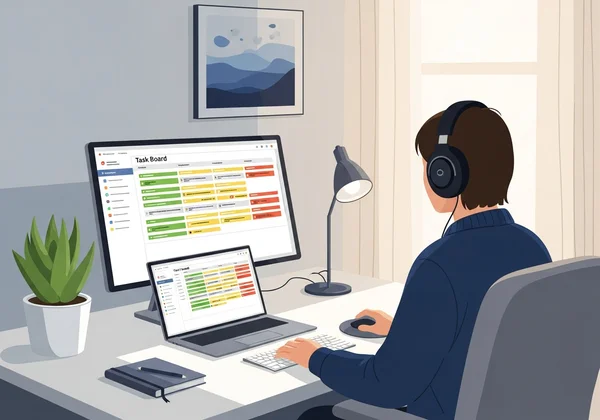
- Visual Priority Systems: Use color-coded task boards or digital planners
- Explicit Success Metrics: Create measurable benchmarks to reduce perfectionism
4. Crisis Contingency Planning
Develop with HR or trusted colleagues: Listener-Relief Protocols: Prearranged signals when needing to step away Backup Systems: Temporary workload redistribution during emotional crises Resource Cheat Sheets: Immediate-access lists of coping strategies
BPD in Academic Settings: Accommodation Strategies
Students with BPD traits often face unique challenges that require targeted support:
| Challenge | Academic Accommodation | Implementation Example |
|---|---|---|
| Emotional overwhelm | Flexible attendance policies | 2-3 “mental health days” per semester |
| Relationship anxiety | Alternative group work options | Choice between group/solo projects |
| Identity disturbances | Extended major declaration periods | Additional academic advising sessions |
| Impulsive decisions | Course withdrawal extensions | 72-hour “cooling off” period before drop |
Complete our educational assessment to identify which academic challenges might relate to BPD symptoms.

Disclosure Decisions: When and How to Discuss BPD
The Disclosure Dilemma
While the Americans with Disabilities Act (ADA) protects mental health conditions, BPD’s stigma creates unique considerations:
✅ Disclose When
- Needing specific accommodations (flexible schedules, modified workspaces)
- Building trust with long-term mentors/supervisors
- In academic settings with established disability services
❌ Reconsider When
- During initial job interviews
- In workplaces without psychological safety
- If clinical diagnosis is unofficial
Scripts for Productive Conversations
- “I occasionally benefit from [specific accommodation] to maintain consistent performance—would implementing this be feasible?”
- “I’m proactively managing my mental health through [therapy/skills training]. These adjustments help me contribute my best work.”
- “Could we schedule regular check-ins to ensure we’re aligned on priorities and expectations?”
Your Next Steps Toward Professional Stability
Understanding your BPD symptoms is the foundation for workplace success. Our free online BPD test provides:
🔹 Immediate Risk Assessment: 10-question screen evaluating core symptoms
🔹 Personalized Coping Strategies: AI-generated report connecting results to workplace patterns
🔹 Professional Guidance Roadmap: Resources for seeking clinical evaluation and workplace accommodations
Take the first step: Identify your BPD patterns in under 5 minutes →
Navigating BPD at Work & School
1. Should I tell my employer about my BPD diagnosis?
Disclosure decisions depend on workplace safety and accommodation needs. Complete our confidential BPD assessment first to clarify which symptoms impact your work.
2. What reasonable accommodations can I request for BPD?
Common accommodations include flexible schedules, modified workspaces, and structured communication protocols—all detailed in our personalized reports after you complete the BPD test.
3. Can I get academic accommodations without an official BPD diagnosis?
Many schools accept provisional diagnoses or documented symptoms—our AI-generated BPD report provides evidence for initial accommodation requests.
4. How do I explain BPD workplace limitations without stigma?
Focus on functional impacts (“I excel with written instructions”) rather than diagnostic labels. Our educational resources provide conversation templates.
5. Are BPD symptoms protected under disability laws?
Yes—when significantly impacting major life activities. Document patterns using our BPD screening results when seeking workplace protections.
Empowerment Starts with Awareness
Every professional success story begins with understanding your patterns. Take control now with our free, confidential assessment and begin your journey toward workplace equilibrium.