BPD Myths & Stigma: Real Stories, Hope & Recovery
The weight of misunderstanding can be heavy. For those living with the traits of Borderline Personality Disorder (BPD), the stigma is often as challenging as the symptoms themselves. It can create a profound sense of isolation, making it difficult to reach out for help. Have you ever felt defined by a label you didn't choose or understand?
This article is here to light a path through the confusion. We will walk through 10 of the most common and damaging myths about BPD, replacing them with facts, compassion, and real stories of recovery. Our goal is to dismantle the stigma and show that a future filled with stability and hope is not just possible, but achievable.
If you are just beginning to explore these feelings, know that you are not alone. Taking a moment for guided self-reflection can be a gentle and private way to begin. It's a way to organize your thoughts before seeking professional advice, and you can take the first step on our confidential platform.
Debunking BPD myths: Truths beyond stigma
Misinformation can build walls. By breaking down these myths one by one, we can build bridges to understanding, both for those with BPD and for the people who love them. Let's separate the stereotypes from the science.
Myth 1: "BPD is untreatable" — The reality of recovery pathways
This is perhaps the most outdated and harmful myth. Decades ago, BPD was considered a lifelong, untreatable condition. Today, we know this is simply not true. Evidence-based treatments, most notably Dialectical Behavior Therapy (DBT), have transformed the prognosis for BPD.
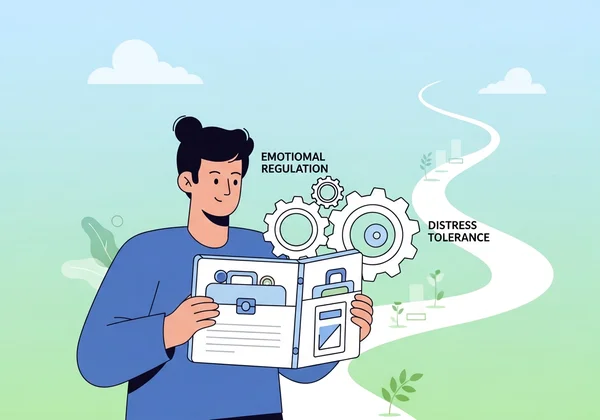
DBT provides practical skills in emotional regulation, distress tolerance, and interpersonal effectiveness. Studies show that a significant number of people who complete treatment no longer meet the diagnostic criteria for BPD. Recovery is a journey, but it is a very real and attainable destination.
Myth 2: "People with BPD are manipulative" — Understanding distress, not deception
Actions that appear manipulative are almost always rooted in profound emotional pain and a desperate fear of abandonment. When someone with BPD acts in a way that seems controlling, it's often an unskilled attempt to prevent a perceived rejection or to communicate an overwhelming level of distress.
It is not a calculated act of deception but a panicked response to intense inner turmoil. Understanding this shifts the perspective from judgment to compassion. It's a cry for help, not a ploy for power.
Myth 3: "BPD means a life of constant crisis" — Finding stability and joy
While emotional crises can be a feature of BPD, they do not define the entirety of a person's life. With effective therapy and learned skills, individuals can significantly reduce the frequency and intensity of these crises.
Recovery means building what DBT founder Marsha Linehan calls 'a life worth living'—finding joy and stability in everyday moments. It’s learning to ride emotional waves, not drown in them, creating lasting calm.
Myth 4: "BPD only affects women" — Recognizing broader impact
BPD has historically been diagnosed more frequently in women. However, modern research suggests this is likely due to gender bias in clinical settings. Men with BPD are often misdiagnosed with conditions like PTSD or antisocial personality disorder.
The reality is that BPD affects people of all genders. The intense emotions, unstable relationships, and identity struggles are human experiences, not exclusive to any single group. Recognizing this is crucial for ensuring everyone gets the correct diagnosis and support.
Myth 5: "BPD is just extreme mood swings" — A deeper look at symptoms
Comparing BPD to simple mood swings is like comparing a hurricane to a breezy day. In BPD, emotions shift rapidly and intensely, often sparked by relationships or conflict. But BPD is far more complex than that.
It is a pervasive pattern that affects a person's sense of self, their relationships, and their impulse control. Core symptoms also include a chronic feeling of emptiness, an unstable self-image, and frantic efforts to avoid real or imagined abandonment. To get a clearer picture, you can privately explore the symptoms with our simple questionnaire.
Real stories of resilience: Living & thriving with BPD
Beyond debunking myths, it's vital to see the proof of recovery. People with BPD are not just surviving; they are artists, leaders, parents, and friends who are thriving. Their stories are a testament to the power of resilience and effective treatment.
Myth 6: "You can't hold a job with BPD" — Professional success & support
Many individuals with BPD have incredibly successful careers. Traits often associated with BPD, such as high empathy, creativity, and passion, can be tremendous assets in the workplace.
The key is often finding the right environment and developing strategies to manage stress and interpersonal challenges. With self-awareness and support, people with BPD can be dedicated and brilliant employees, colleagues, and leaders.
Myth 7: "BPD ruins all relationships" — Building healthy & lasting bonds
Relationships can be the area of greatest pain for someone with BPD, but they can also become the area of greatest healing. The intense desire for connection, when channeled through learned skills, can lead to deeply meaningful and loyal bonds.
Therapy helps individuals learn to set boundaries, communicate their needs effectively, and manage the fear of abandonment. It is absolutely possible to build stable, loving, and lasting relationships through learning to build healthier connections.

Myth 8: "People with BPD are dangerous" — Addressing misplaced fears
This is a deeply stigmatizing and inaccurate stereotype. The overwhelming majority of individuals with BPD are not a danger to others. The intense emotional pain of BPD is most often directed inward, not outward.
This can result in self-harm or suicidal behaviors, which are tragic symptoms of immense suffering. These actions are a sign that a person is in desperate need of help and compassion, not something to be feared.
Myth 9: "There's no hope for long-term recovery" — Evidence of lasting change
Recovery from BPD is not a temporary fix. Long-term studies have shown that improvement is sustained over time. As individuals age and continue to practice their skills, symptoms often lessen in intensity.
Many people who once met the criteria for BPD find that years later, they no longer do. This lasting change provides powerful evidence that there is every reason to be hopeful for a stable and fulfilling future.
Myth 10: "BPD is just attention-seeking" — A cry for help and understanding
What is often dismissed as "attention-seeking" is more accurately described as "support-seeking." When a person doesn't have the words or skills to express the agony they are in, their behavior becomes the communication.
It's a desperate attempt to show others the severity of their pain and to find connection in a moment of terrifying isolation. Seeing it this way helps us respond with the empathy and support that is truly needed. If this feeling is familiar, it may be helpful to gain some clarity in a safe, private space.
Disclaimer: This article is for informational purposes only and does not constitute medical advice. The content is not intended to be a substitute for professional diagnosis or treatment. Always seek the advice of a qualified mental health provider with any questions you may have regarding a medical condition. BPDTest.me is a screening tool, not a diagnostic instrument.
Moving beyond stigma: Your first step towards understanding BPD
Moving past the myths surrounding Borderline Personality Disorder is the first step toward healing. BPD is not a life sentence of chaos or a character flaw; it is a treatable mental health condition that responds well to the right support. Recovery is real, and hope is essential.
Understanding yourself is a powerful act of kindness. If you see your own experiences reflected in this discussion, know that your feelings are valid. Taking a confidential, preliminary screening can be a valuable tool for self-reflection and can help you organize your thoughts before speaking with a professional.
Understanding your experiences is a courageous step. Begin with our confidential screening to clarify your feelings. Start your BPD test today. It’s free, anonymous, and could be the beginning of a path toward clarity and well-being.
Common questions about BPD understanding & support
Can people with BPD lead normal, fulfilling lives?
Yes, absolutely. With access to proper treatment like DBT and a strong support system, many people with BPD manage their symptoms effectively. They build stable careers, nurture healthy relationships, and find great joy and purpose in their lives. The many BPD success stories are a testament to this reality.
What are the early signs or symptoms of BPD?
Early signs often revolve around a pervasive pattern of instability. This can include intense and rapid mood shifts, a history of unstable personal relationships, deep-seated fears of abandonment, chronic feelings of emptiness, and impulsive behavior in areas like spending, substance use, or relationships.
How is BPD different from bipolar disorder?
This is a common point of confusion. The key difference is the duration and trigger of mood swings. In Bipolar Disorder, mood episodes (mania or depression) last for days, weeks, or even months. In BPD, emotional shifts are much faster, often lasting only hours, and are typically triggered by stressful interpersonal events.
What should I do if I suspect I have BPD?
If you suspect you may have BPD, the best path forward involves a few steps. First, educate yourself from reliable sources. Second, consider using a tool like our free BPD test to help organize your concerns. Most importantly, schedule an appointment with a qualified mental health professional, like a psychologist or psychiatrist, for a comprehensive evaluation. Only a professional can provide an accurate diagnosis.