BPD in Teenagers: Signs, Causes, Treatment, and Support
BPD in teenagers can be confusing because adolescence already brings strong emotions, identity changes, friendship drama, and a growing need for independence. A teen who seems intensely reactive one week may look calmer the next, which can leave parents, caregivers, and teens wondering what is normal development and what may need more support. Borderline personality disorder, often shortened to BPD, is a mental health condition linked with intense emotions, unstable relationships, fear of abandonment, impulsive behavior, and a shifting sense of self. A free BPD screening tool can support private reflection, but it cannot replace a careful evaluation from a qualified mental health professional.

What BPD Can Look Like in Teenagers
BPD is not simply being sensitive, moody, dramatic, or difficult. In teenagers, the concern is usually a pattern: emotions rise fast and feel overwhelming; relationships swing between closeness and conflict; the teen may react strongly to perceived rejection; and risky or self-destructive behavior may appear during moments of distress. Some teens describe feeling empty, unreal, numb, or unsure who they are. Others feel everything at full volume.
A 15 year old with possible BPD traits might have repeated blowups after small relationship shifts, intense fear that friends or family will leave, sudden changes in self-image, impulsive decisions, self-harm urges, or episodes of anger followed by shame. The key is not one bad day. It is persistence, intensity, impairment, and safety risk.
Some teens show these struggles outwardly through arguments, threats, impulsivity, or visible anger. Others appear high-functioning at school while turning the pain inward. This quieter pattern can include harsh self-blame, people-pleasing, withdrawal, private self-harm, or feeling devastated by rejection without showing much on the surface.
BPD or Teenage Hormones: How to Think About the Difference
Teen hormones can contribute to mood changes, irritability, sleep disruption, and emotional sensitivity. Normal teen development also includes testing boundaries, wanting privacy, and feeling strongly about friendships or romantic relationships. BPD-like patterns are different because they tend to be more extreme, more repetitive, and more disruptive across settings.
Useful questions include:
- Does the teen return to baseline after conflict, or do emotions stay intense for hours or days?
- Are relationship fears leading to repeated crises, isolation, or unsafe behavior?
- Are impulsive choices creating serious consequences at home, school, online, or with substances?
- Is the teen expressing hopelessness, self-harm thoughts, or feeling empty most of the time?
- Do caregivers feel they are constantly managing emergencies rather than ordinary conflict?
These questions do not prove what is happening, but they can help families decide whether professional support is needed. If safety is uncertain, treat that as urgent and seek immediate help.
Signs of BPD in Teens to Notice
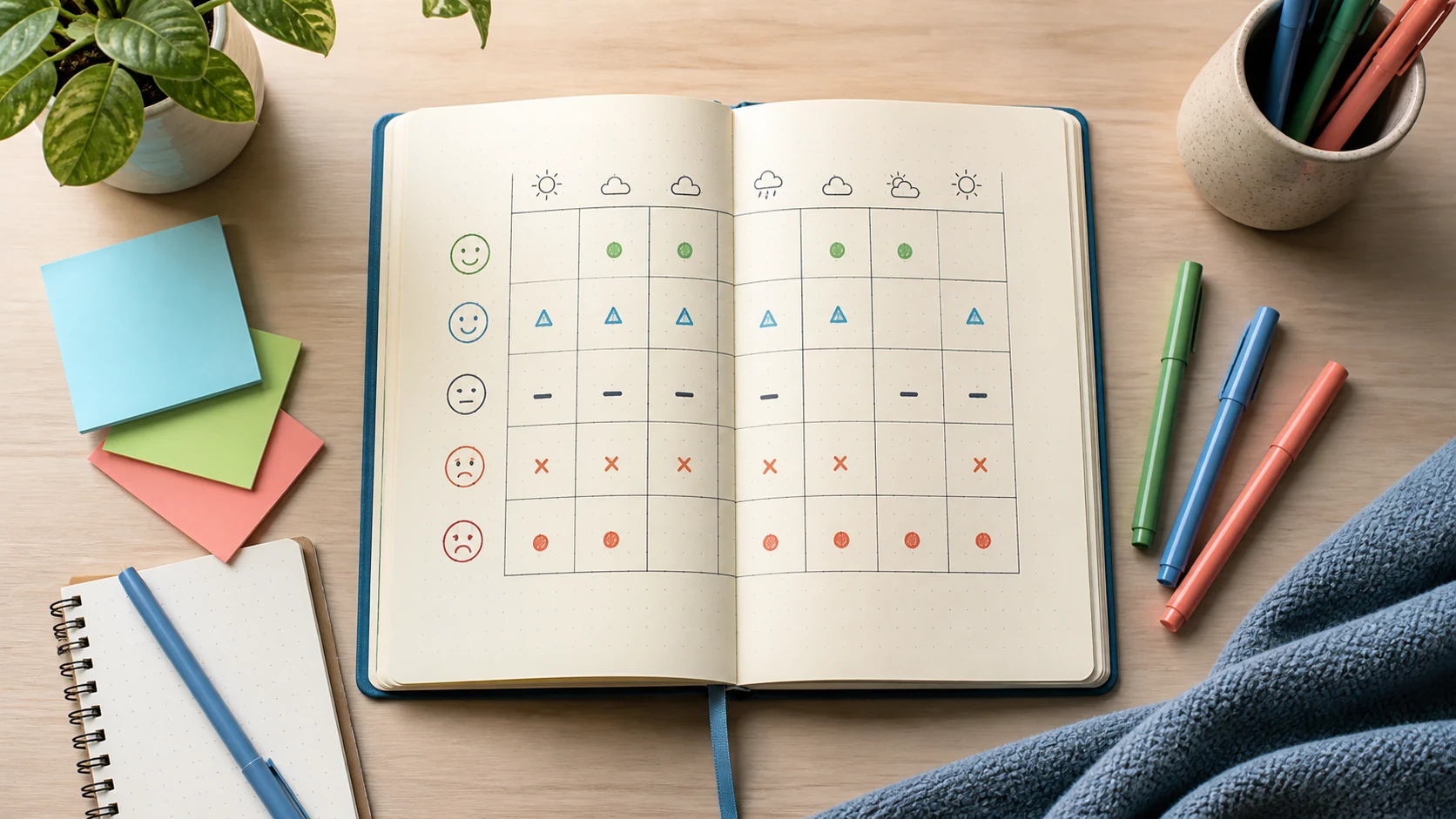
Signs of BPD in teens often cluster around emotions, relationships, identity, and behavior. A teen may have rapid mood shifts that feel hard to control, especially anger, panic, shame, or sadness. They may move quickly from feeling close to someone to feeling betrayed or abandoned. They may seem unsure of who they are, what they want, or whether they are good or bad.
Possible warning signs of BPD in teenagers can include intense fear of abandonment, unstable friendships or romantic relationships, impulsive spending or substance use, unsafe sexual behavior, self-harm, suicidal thoughts, chronic emptiness, explosive anger, dissociation under stress, or a pattern of feeling misunderstood. Symptoms of BPD in a teenage girl may be missed if they are hidden behind perfectionism, self-criticism, or private distress. Symptoms of BPD in a teenage boy may be missed if anger or risk-taking is viewed only as defiance. Any gender can experience any pattern.
It is also important to consider overlap. Depression, anxiety, trauma responses, autism, ADHD, bipolar disorder, eating disorders, substance use, and family stress can all shape emotional and relational behavior. That is why an online article, a parent checklist, or a BPD self-reflection questionnaire should be treated as a starting point for conversation, not a clinical label.
What Causes BPD in Teens?
There is no single cause of BPD in teens. Current clinical understanding points to a mix of temperament, genetics, nervous-system sensitivity, early relationships, trauma, invalidating environments, and stressful life experiences. Some teens seem emotionally sensitive from a young age. Some grow up in environments where big emotions were punished, ignored, mocked, or met with chaos. Some have histories of loss, bullying, abuse, neglect, family conflict, or unstable caregiving.
This does not mean parents are automatically to blame. BPD traits can emerge from many interacting factors, and families often need support rather than shame. A more helpful question is: what skills, structure, safety, and relationships can help this teen build emotional stability now?
Protective factors matter. Consistent routines, caring adults, therapy access, school support, sleep, reduced substance exposure, and lower-conflict communication can all help a teen's system settle enough to learn new skills.
Treatment Options for BPD in Teenagers
Treatment for borderline personality disorder in teens usually centers on structured psychotherapy and family involvement. Dialectical behavior therapy, commonly called DBT, is one of the best-known approaches for intense emotions, self-harm risk, and relationship instability. DBT teaches skills such as mindfulness, distress tolerance, emotion regulation, and interpersonal effectiveness. Mentalization-based therapy, family therapy, trauma-informed therapy, and other evidence-informed approaches may also be used depending on the teen's needs.
Medication is not considered a stand-alone treatment for BPD itself. A clinician may consider medication for related symptoms or co-occurring conditions such as depression, anxiety, sleep problems, or impulsivity, but medication decisions should be individualized and monitored by a qualified prescriber.
The level of care depends on safety and impairment. Some teens do well with outpatient therapy and family support. Others may need intensive outpatient care, partial hospitalization, residential treatment, or emergency care if self-harm or suicidal risk is present. If a teen might hurt themselves or someone else, contact emergency services or a crisis line right away. In the U.S., people can call or text 988 for crisis support.

How to Help a Daughter, Son, or Teen Who May Have BPD
Parents often ask how to help a daughter with borderline personality disorder, but the same core principles apply to any teen. Start with safety, then relationship, then skills. If there is self-harm, suicidal talk, threats, or dangerous impulsivity, involve professionals immediately. Do not try to manage serious risk alone.
When the situation is not an emergency, aim for steady validation without giving up healthy limits. Validation does not mean agreeing with every interpretation. It means recognizing that the teen's emotion feels real and intense. A parent might say, "I can see this feels unbearable right now. I want to understand, and we still need to speak safely."
Helpful support can include:
- Keeping routines predictable around sleep, meals, school, and screen time.
- Using short, calm sentences during conflict instead of long lectures.
- Setting boundaries before a crisis, not during the peak of one.
- Praising repair attempts, honesty, and skill use, even when progress is uneven.
- Creating a written safety plan with a clinician when self-harm risk exists.
- Getting parent coaching, family therapy, or a support group so caregivers are not isolated.
Try not to reduce the teen to a label. A teen can have BPD traits and still be creative, funny, thoughtful, ambitious, loving, and capable of growth.
What to Do During a BPD Episode
A "BPD episode" is not a formal medical term, but many families use it to describe a surge of intense emotion, fear, anger, shame, or panic. The goal is not to win the argument. The first goal is safety and de-escalation.
If the teen is in immediate danger, has a plan to self-harm, is threatening suicide, or cannot stay safe, contact emergency services or a crisis resource. If the moment is intense but not immediately dangerous, reduce stimulation. Lower your voice, increase physical space, and pause problem-solving. Ask simple questions: "Are you safe right now?" "Do you need space or quiet company?" "Can we do the next five minutes together?"
Skills that may help include paced breathing, cold water on the face, naming five things in the room, walking away from online conflict, holding ice briefly in a towel, or writing the urge down before acting. These are not substitutes for therapy. They are short-term bridges that can help the nervous system come down enough for the teen and caregiver to choose the next step.

When a BPD Teenager Test Can Be Useful
A BPD teenager test or screening tool can be useful when it is framed carefully. It may help a teen notice patterns, find language for distress, or prepare for a conversation with a therapist, pediatrician, school counselor, or parent. It should not be used to label, punish, or settle arguments.
For teens, privacy and trust matter. If a caregiver introduces a screening tool, it is better to say, "This might help us understand what you are experiencing," rather than, "This will prove what is wrong." BPDTest.me is designed as an educational self-reflection starting point, not a substitute for a professional evaluation. Its value is strongest when the result leads to curiosity, support, and a next conversation.
Building a Supportive Next Step for BPD in Teenagers
BPD in teenagers is serious, but it is also a reason to act with care rather than panic. Many teens with intense emotional and relational patterns can improve with the right treatment, family support, and practical coping skills. The earlier a family responds with safety, structure, and professional guidance, the less alone the teen has to feel.
If you are trying to make sense of warning signs, a private BPD self-check can be one gentle way to organize observations before speaking with a professional. Bring notes about mood patterns, relationship triggers, self-harm concerns, sleep, substances, school stress, and family history. A good next step is not a label; it is a clearer plan for safety, support, and skill-building.
FAQ
What does BPD look like in a 15 year old?
BPD-like patterns in a 15 year old may include intense mood swings, fear of abandonment, unstable relationships, impulsive behavior, self-harm risk, chronic emptiness, anger that feels hard to control, or stress-related dissociation. The important issue is whether the pattern is persistent, impairing, and unsafe. A professional evaluation can help separate BPD traits from depression, anxiety, trauma, bipolar disorder, ADHD, typical development, or family stress.
Can teenagers have borderline personality disorder?
Yes, clinicians can identify BPD traits in adolescents, and some teens receive a formal clinical assessment when symptoms are persistent and severe. However, teens are still developing, so evaluation should be careful, contextual, and done by a qualified mental health professional. The goal is not to stigmatize a young person. The goal is to match them with support that improves safety, relationships, and emotional regulation.
What are the treatment options for BPD in teenagers?
Common treatment options include DBT, family therapy, mentalization-based approaches, trauma-informed therapy, safety planning, school support, and higher levels of care when risk is significant. Medication may be considered for co-occurring symptoms such as anxiety or depression, but it is not usually the central treatment for BPD itself. A treatment plan should be individualized.
How can I help my daughter with borderline personality disorder?
Focus first on safety, then calm connection, then consistent boundaries. Validate the emotion without endorsing harmful behavior, keep crisis conversations short, and involve professionals when there is self-harm, suicidal thinking, or unsafe impulsivity. Parent coaching or family therapy can help caregivers learn skills and reduce burnout.
Is BPD in teen girls different from BPD in teen boys?
The core patterns can be similar across genders, but they may be interpreted differently. Teen girls may be more likely to have distress framed as sensitivity, relationship drama, or self-criticism. Teen boys may be more likely to have distress framed as anger, defiance, or risk-taking. These are broad patterns, not rules. Any teen deserves careful, non-stereotyping assessment.
How do I stop a BPD episode?
You may not be able to stop an intense emotional surge instantly, but you can reduce escalation. Prioritize safety, lower stimulation, speak calmly, avoid long arguments, and use grounding or distress-tolerance skills. If there is danger of self-harm, suicide, or violence, seek emergency help right away.
Is a BPD teenager test enough to know what is happening?
No. A screening tool can help organize observations and start reflection, but it cannot replace a professional evaluation. Use screening results as a conversation aid, especially if the teen is struggling with safety, relationships, school functioning, or intense emotions.