Do I Have BPD? A Guide to Understanding and Self-Assessment
Exploring Borderline Personality Disorder (BPD)
Understanding the Basics of BPD
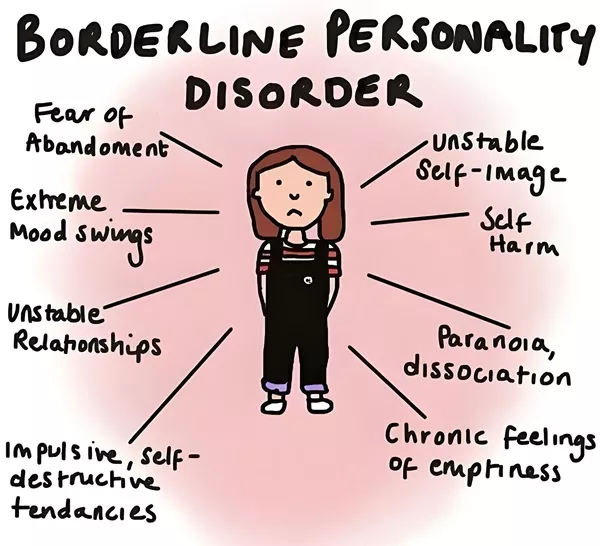
Borderline Personality Disorder (BPD) is a complex mental health condition that affects emotions, behaviors, and interpersonal relationships. People with BPD often experience intense emotional instability, impulsive actions, and difficulties maintaining relationships. These challenges are typically rooted in a deep fear of abandonment, which can trigger behaviors that complicate relationships and daily functioning.
Why Self-Awareness and Testing Matter
Understanding BPD symptoms is an important step toward self-awareness and emotional well-being. While a professional diagnosis is the gold standard for identifying BPD, self-assessment tools can provide valuable insights into emotional patterns, behaviors, and interpersonal challenges. Recognizing potential signs of BPD early enables individuals to seek appropriate help and take proactive steps toward managing their mental health.
The Role of Online BPD Tests
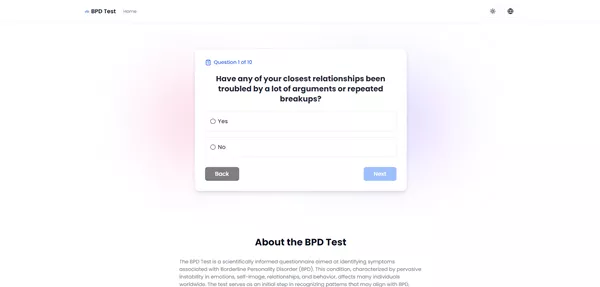
Online BPD tests, such as our BPD self-assessment tool or resources on trusted mental health platforms, offer an accessible and confidential way to evaluate symptoms.While these tools are not a substitute for professional diagnosis, they can act as a starting point for individuals exploring their emotional and behavioral health. By identifying key indicators, users can determine whether they should pursue a formal assessment with a mental health professional.
What is BPD?
Defining Borderline Personality Disorder
Borderline Personality Disorder is characterized by a persistent pattern of emotional dysregulation, impulsivity, unstable relationships, and a distorted self-image. These patterns often lead to significant distress and difficulties in daily life.
BPD is classified as a personality disorder because its symptoms influence the way individuals perceive themselves and interact with others over a prolonged period. It typically develops in adolescence or early adulthood and can vary in intensity and expression among individuals.
Common Symptoms of BPD
BPD symptoms manifest in various ways, often disrupting emotional stability and relationships. Common signs include:
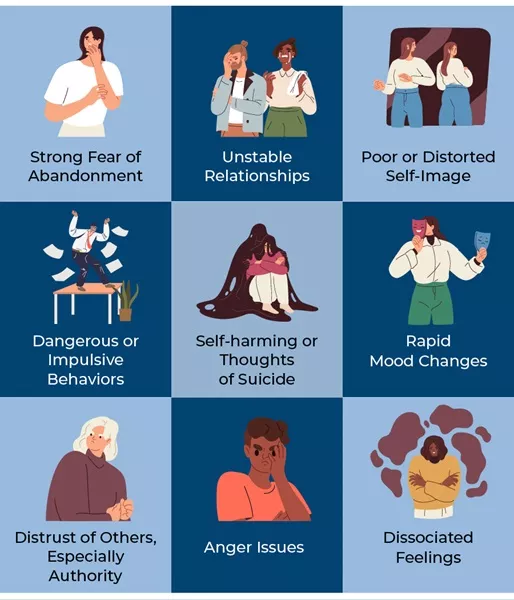
- Intense fear of abandonment.
- Rapid shifts in mood.
- Impulsive behaviors such as overspending or reckless driving.
- Unstable and intense interpersonal relationships.
- Chronic feelings of emptiness.
- Difficulty managing anger or intense emotions.
- Episodes of paranoia or dissociation under stress.
Recognizing these symptoms can provide clarity and lead to appropriate interventions that support improved mental health and relationships.
Self-Assessment: How to Know If You Have BPD
What is a BPD Test?
A BPD test is a self-assessment tool designed to evaluate symptoms associated with borderline personality disorder. These tests typically include questions about emotional responses, behaviors, and relationship patterns to identify potential indicators of BPD.
These assessments are based on criteria from diagnostic frameworks such as the DSM-5, the standard manual used by mental health professionals.(Diagnostic and Statistical Manual of Mental Disorders) and are often used as preliminary tools for self-reflection.
How Reliable Are Online BPD Tests?
While online BPD tests are useful for identifying patterns of emotional dysregulation and impulsivity, they are not definitive diagnostic tools. Their reliability depends on the accuracy of the questions, the user’s honest responses, and whether the test is based on established clinical criteria.
To ensure accuracy, look for BPD tests developed with input from mental health professionals and clearly labeled as educational tools rather than diagnostic instruments.
Key Indicators in BPD Self-Assessment
When taking a BPD test or reflecting on your mental health, consider the following indicators:
- Emotional Instability: Do your moods shift rapidly in response to minor triggers?
- Relationship Patterns: Do you experience extreme highs and lows in your relationships?
- Fear of Abandonment: Do you take drastic actions to avoid perceived rejection or separation?
- Impulsive Behavior: Do you often engage in risky or self-destructive activities?
- Self-Image Issues: Do you struggle with an unstable or unclear sense of identity?
- Anger Management: Do you find it hard to control anger or have frequent outbursts?
Identifying these patterns can provide a starting point for understanding whether you may benefit from a deeper evaluation of your mental health.
Symptoms of BPD: A Closer Look
Borderline Personality Disorder (BPD) profoundly impacts emotions, behavior, and interpersonal relationships. Understanding the specific symptoms of BPD can help individuals identify patterns and seek appropriate support.
What Are the 9 Traits of BPD?
BPD is characterized by nine core traits, as outlined in the DSM-5 (Diagnostic and Statistical Manual of Mental Disorders):
- Fear of Abandonment: Intense fear of being left or rejected, leading to desperate attempts to prevent perceived abandonment.
- Unstable Relationships: Shifting between extremes of idealization and devaluation in relationships, often referred to as “splitting.”
- Identity Disturbance: A distorted or unstable sense of self, causing frequent changes in values, goals, or self-image.
- Impulsivity: Engaging in risky behaviors such as overspending, reckless driving, or unsafe sexual practices.
- Emotional Dysregulation: Intense mood swings lasting hours to days, ranging from euphoria to irritability or anxiety.
- Chronic Feelings of Emptiness: A persistent sense of inner void, leading to dissatisfaction or boredom.
- Inappropriate Anger: Intense outbursts of anger, sarcasm, or physical altercations.
- Paranoia or Dissociation: Episodes of paranoia or feeling detached from reality, especially during stress.
- Self-Harm or Suicidal Behavior: Frequent threats or actions of self-injury, often triggered by fears of separation or rejection.
Understanding Emotional Dysregulation
Emotional dysregulation is a hallmark of BPD. Individuals often feel overwhelmed by their emotions, which can escalate quickly and subside just as rapidly. This heightened emotional sensitivity can make everyday interactions feel intense or destabilizing. For instance:
- Minor disagreements may be perceived as personal rejection.
- Fluctuating emotions can cause difficulty in maintaining stable relationships.
Recognizing emotional dysregulation is essential for identifying coping strategies to manage overwhelming feelings effectively.
Interpersonal Challenges in BPD
BPD frequently disrupts interpersonal relationships due to patterns of idealization and devaluation. Common challenges include:
- Clinging and Detaching: Fear of abandonment can lead to intense dependency, followed by sudden emotional withdrawal.
- Boundary Violations: Difficulty respecting or setting personal boundaries.
- Conflict Escalation: Small disagreements can escalate into significant conflicts due to heightened emotional reactions.
These challenges underline the importance of developing skills to navigate relationships constructively, such as through dialectical behavior therapy (DBT).
BPD Triggers and Misconceptions
What Triggers Rage in BPD?
BPD-related rage is often rooted in perceived rejection, abandonment, or invalidation. Explore our guide to mindfulness practices for managing emotional triggers effectively.Common triggers include:
- Feeling ignored or dismissed.
- Fear of losing a close relationship.
- Situations that evoke a sense of powerlessness or betrayal.
Managing rage requires self-awareness and strategies such as grounding techniques or mindfulness practices.
Common Misdiagnoses: What is Mistaken for BPD?
BPD shares overlapping symptoms with several other mental health conditions, leading to frequent misdiagnoses, including:
- Bipolar Disorder: Both conditions involve mood swings, but bipolar disorder typically has distinct manic or depressive episodes, whereas BPD moods shift more rapidly.
- Post-Traumatic Stress Disorder (PTSD): BPD and PTSD share symptoms like emotional dysregulation and dissociation, but PTSD is rooted in specific trauma.
- Antisocial Personality Disorder (ASPD): Misdiagnosis may occur in individuals with aggression or impulsivity, though ASPD lacks the emotional sensitivity seen in BPD.
Accurate diagnosis requires a detailed evaluation by a qualified mental health professional.
High-Functioning BPD: What Does It Look Like?
High-functioning BPD refers to individuals who outwardly appear capable and successful but privately struggle with intense emotions and relationship difficulties. Traits of high-functioning BPD include:
- Suppressing emotional outbursts in public while experiencing inner turmoil.
- Overcompensating with perfectionism or excessive work.
- Experiencing “quiet” or internalized symptoms, such as self-doubt and chronic emptiness.
Recognizing high-functioning BPD can help destigmatize the condition and highlight the need for support, even in seemingly “well-adjusted” individuals.
BPD in Daily Life
How Does BPD Manifest in Females?
Research suggests BPD may present differently in females, often with heightened emotional expression, relational sensitivity, and self-harming behaviors. Common manifestations include:
- Frequent mood swings perceived as “emotional overreactions.”
- Intense focus on interpersonal relationships and fear of rejection.
- Greater likelihood of seeking help for symptoms like depression or anxiety.
What is a BPD Meltdown?
A BPD meltdown refers to episodes of overwhelming emotional distress, characterized by:
- Uncontrollable crying or anger.
- Impulsive behaviors like self-harm or reckless actions.
- Withdrawal or isolation following the episode.
These meltdowns are often triggered by perceived rejection or invalidation and can be managed with skills such as grounding or self-soothing techniques.
Silent BPD: Recognizing Subtle Signs
Silent BPD, also known as “quiet BPD,” involves internalizing symptoms rather than expressing them outwardly. Indicators include:
- Suppressed anger or emotional distress.
- Avoidance of conflict or withdrawal from relationships.
- Chronic self-blame or guilt without externalized behaviors.
Silent BPD is often harder to identify, making self-awareness and professional guidance crucial.
Famous Figures with BPD
Notable Personalities with BPD
Mental health disorders like Borderline Personality Disorder (BPD) can affect anyone, including some of the most successful and celebrated individuals. These public figures, despite facing challenges associated with BPD, have shown resilience and courage by sharing their journeys, helping to reduce stigma and promote awareness.

1. Angelina Jolie Academy Award-winning actress Academy Award-winning actress Angelina Jolie was diagnosed with BPD in her younger years, as reported in interviews and biographies. Her advocacy for humanitarian causes demonstrates how individuals with BPD can channel their challenges into meaningful work. She openly shared her struggles with self-harm, emotional instability, and tumultuous relationships. Today, Jolie is an advocate for humanitarian causes and mental health awareness, showing that it is possible to manage BPD and thrive.
2. Brandon Marshall Former NFL wide receiver Brandon Marshall received a BPD diagnosis after facing relationship and emotional challenges. Marshall has become a mental health advocate, raising awareness about BPD and encouraging others to seek help. His work includes founding Project 375, a foundation dedicated to eradicating the stigma surrounding mental illness.
3. Marilyn Monroe Although diagnosed posthumously, Marilyn Monroe exhibited many signs of BPD, including erratic behavior, intense relationships, and struggles with self-image. Her life remains a poignant reminder of the challenges faced by individuals with untreated mental health conditions.
4. Jim Carrey Famous for his comedic brilliance, im Carrey has spoken candidly about his battles with depression and emotional difficulties. While not officially diagnosed with BPD, his openness about mental health challenges highlights the importance of reducing stigma and seeking help.
5. Carrie Fisher Best known for her role as Princess Leia, Carrie Fisher was diagnosed with BPD and other mental health conditions during her lifetime. She used her platform to champion mental health advocacy and shared her experiences through books and interviews.
6. Pete Davidson Comedian and "Saturday Night Live" cast member Pete Davidson has openly discussed his BPD diagnosis. By speaking out, Davidson has helped bring the condition into public conversation, emphasizing the importance of empathy and professional help.
How Public Figures Influence BPD Awareness
Public figures play a critical role in destigmatizing mental health disorders. Their openness about BPD:
- Increases Awareness: Celebrities sharing their experiences introduce millions to the realities of BPD.
- Encourages Treatment: Their advocacy often inspires others to seek help or self-assess.
- Fosters Empathy: Personal stories humanize the disorder, breaking down negative stereotypes.
By using their platforms, these individuals contribute to creating a culture of understanding and acceptance around mental health challenges.
Navigating a BPD Diagnosis
How to Get Diagnosed with BPD
Obtaining a BPD diagnosis involves a comprehensive evaluation by a licensed mental health professional, such as a psychologist or psychiatrist. Steps include:
- Initial Consultation: Discuss your symptoms, history, and concerns with a professional.
- Diagnostic Interviews: Structured interviews assess emotional patterns, behaviors, and interpersonal relationships.
- Behavioral Observation: Professionals may evaluate how you respond to specific scenarios or triggers.
- DSM-5 Criteria: Your symptoms will be compared to the nine diagnostic criteria for BPD.
The Role of Professional Assessment vs. Self-Assessment
- Professional Assessment: Essential for accurate diagnosis and access to treatment options like therapy or accommodations.
- Self-Assessment: Useful as a starting point, offering insight into traits or behaviors that may align with BPD.
Note: Online BPD tests, like the one on our site, can provide initial guidance but should not replace professional evaluation.
What to Expect from the BPD Diagnosis Process
- Detailed Evaluation: Professionals will ask about your emotional history, relationships, and coping mechanisms.
- Comprehensive Feedback: Expect a diagnosis summary outlining symptoms, contributing factors, and potential treatment plans.
- Collaborative Planning: Work with your provider to develop a tailored treatment approach.
Living with BPD
What Not to Say to Someone with BPD
Supportive language is crucial when engaging with someone who has BPD. Avoid statements like:
- “You’re too sensitive.”
- “Why can’t you just control your emotions?”
- “It’s all in your head.”
Instead, offer empathy and understanding, such as:
- “I’m here for you.”
- “Your feelings are valid.”
- “Let’s work through this together.”
Strategies for Managing BPD Symptoms

- Emotion Regulation Skills: Practices like mindfulness or DBT techniques help manage intense emotions.
- Establishing Routines: Predictable schedules reduce stress and provide stability.
- Seeking Support: Join BPD-specific support groups to connect with others who understand your experiences.
- Self-Care Practices: Activities like journaling (e.g., a gratitude journal), regular physical exercise such as yoga, or creative outlets like painting and music can help process emotions healthily. Apps like Calm or Headspace can provide guided mindfulness exercises, while DBT Coach offers tools for managing emotional distress. For example, keeping a gratitude journal can help shift focus from negative thought patterns to positive moments in daily life.
Finding Support and Resources
Resources for BPD include:
- Therapeutic Approaches: Dialectical Behavior Therapy (DBT) and Cognitive Behavioral Therapy (CBT).
- Support Groups: Online and in-person communities dedicated to BPD.
- Educational Tools: Books, blogs, and courses about BPD management.
Moving Forward with Awareness and Support
The Importance of Professional Help
Professional guidance is key to understanding and managing BPD. Therapists trained in BPD-specific therapies can equip individuals with tools to navigate emotional challenges and build healthier relationships.

Encouragement for Those Seeking Answers
A BPD diagnosis is not a limitation but an opportunity for growth and self-awareness. By seeking support, engaging with resources, and embracing self-compassion, individuals with BPD can lead fulfilling lives.
FAQs
What are the Rarely Known Signs of BPD?
Rare signs include chronic boredom, excessive people-pleasing, and hypersensitivity to perceived rejection.
How Do I Know If I’m Autistic or Have BPD?
While both conditions may share traits like social difficulties, BPD often involves intense emotional swings and fear of abandonment, which are less common in autism.
Can You Self-Diagnose BPD?
Self-diagnosis can offer insight, but a professional evaluation is crucial for accuracy and effective treatment planning.
What Kind of Partner Does Someone with BPD Need?
Partners who are patient, empathetic, and committed to open communication can provide a supportive environment for individuals with BPD.
What Age Does BPD Peak?
BPD symptoms typically peak in young adulthood and may stabilize with age, especially with appropriate treatment and support.
Ready to take the first step? Try our free BPD self-assessment tool or connect with a licensed mental health professional today.